International art fair returns Oct. 30 with 127 galleries, including 25 from Korea
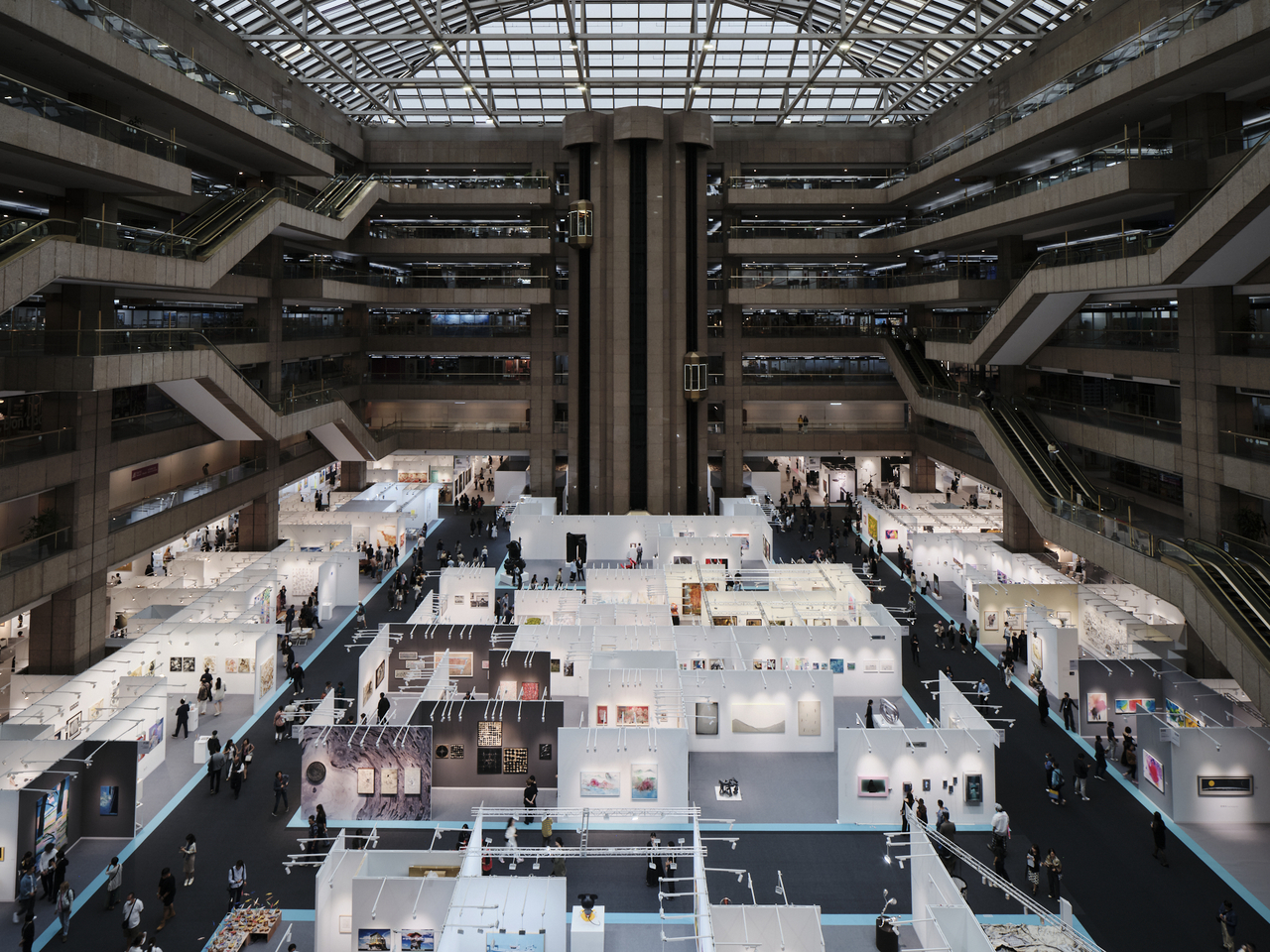
Art Taipei, one of Asia's longest-running international art fairs, will return to Taiwan's capital from Oct. 30 to Nov. 2, bringing together 127 galleries for an exhibition exploring the evolving relationship between humanity and technology.
Organized by the Taiwan Art Gallery Association, the fair will hold its 33rd edition at Taipei World Trade Center Hall 1 under the theme "Symbiosis," examining how humans and rapidly advancing technology coexist, influence and sustain one another rather than exist as opposing forces.
This year's event will feature 66 galleries from Taiwan and 61 from overseas, including 25 Korean galleries, up from 15 last year. The increase reflects growing Korean participation in Taiwan's art market.
The fair coincides with the third edition of Taipei Art Week, running from Oct. 24 to Nov. 7 under the theme "Velocity." The citywide program will bring together more than 80 galleries, museums and alternative art spaces, extending exhibitions and cultural activities beyond the main fair venue.
Founded in 1992, Art Taipei is one of the region's few major art fairs organized primarily by a gallery association rather than a commercial fair operator. Over the past three decades, it has connected Taiwanese galleries with international counterparts and collectors, helping to develop Taiwan as a regional center for contemporary art.
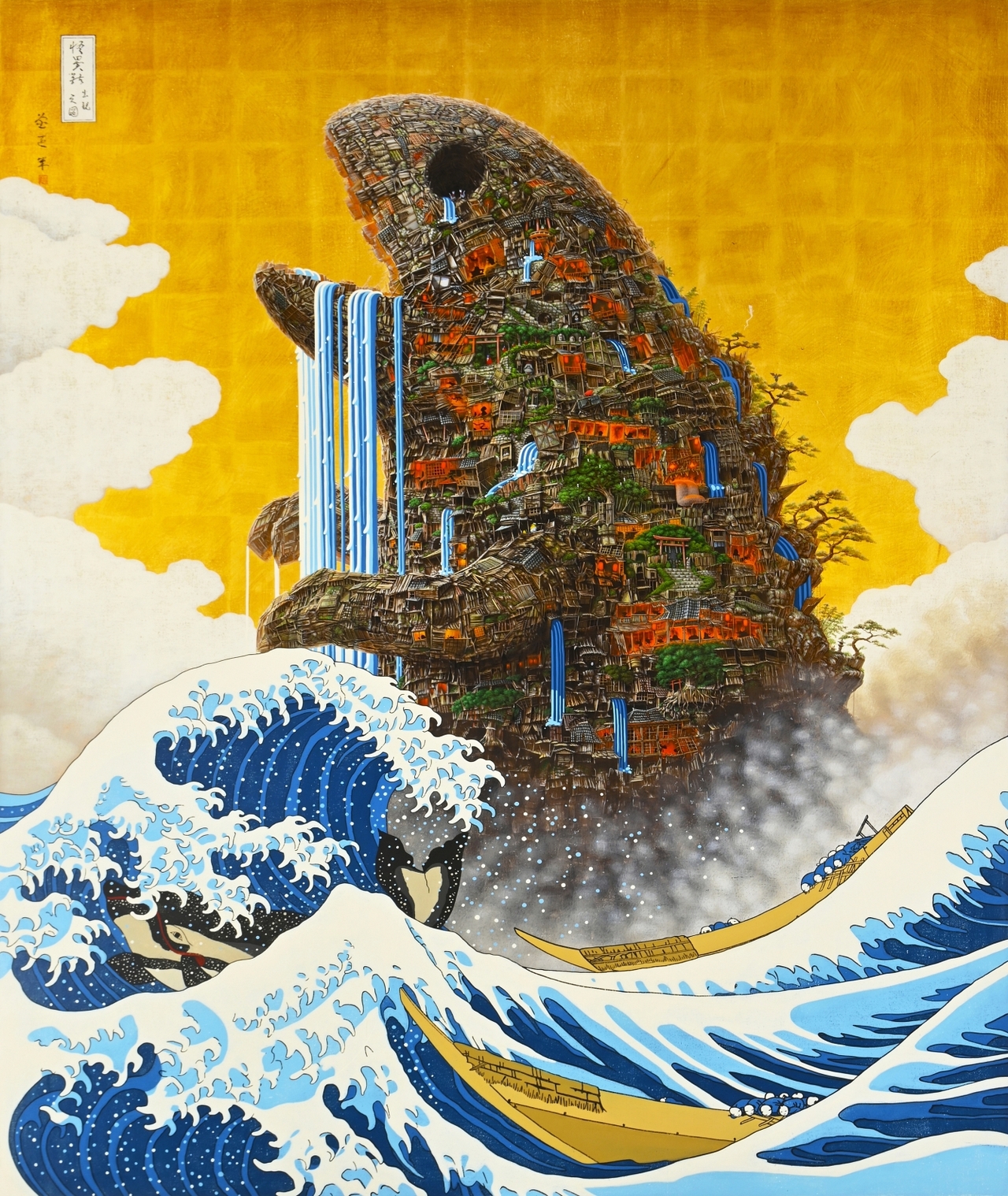
Among the international artists presenting work at the fair is Japanese artist Takumi Kama, who will unveil a new direction in his "Kaiju" series through Kyoto-based gallery Combine / Bami.
Drawing on Japan's kaiju, or giant-monster tradition, Kama imagines what contemporary monsters might look like if they emerged not from science fiction but from the objects people produce, consume and discard in everyday life.
His latest works place these creatures in imagined landscapes inspired by Japan's Edo period (1603-1868), combining traditional architecture and natural elements with references to Hyakki Yagyo, or the Night Parade of One Hundred Demons, a Japanese folkloric procession of supernatural beings.
By placing creatures born of modern consumption within historical settings, Kama brings traditional Japanese imagery into dialogue with the environmental and technological consequences of contemporary life.
The series also expands the concept of waste beyond discarded physical objects to include digital information and virtual residue, examining how the products and technologies people leave behind continue to shape their surroundings.
Through these imagined monsters, Kama explores the relationship between human activity, nature and spiritual imagination, offering a perspective on the increasingly intertwined worlds of humanity and technology.
jaaykim@heraldcorp.com